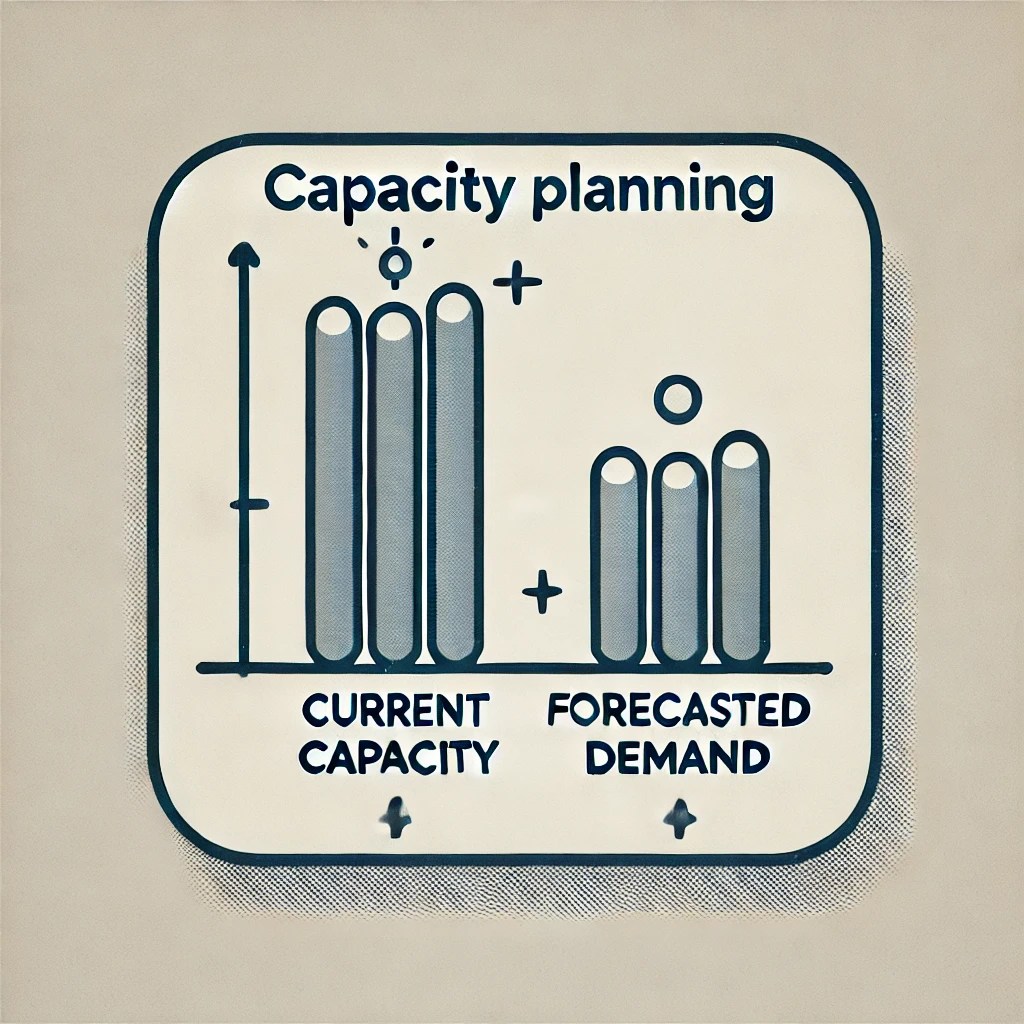
Ensuring that your Customer Success Management (CSM) team is properly staffed and equipped to handle customer needs is paramount. Capacity planning for CSM teams isn’t just about filling seats; it’s about strategically aligning your resources with your growth goals, customer expectations, and the complexities of your SaaS offerings. In this comprehensive guide, we will delve into the nuances of capacity planning for CSM teams, providing actionable insights for GTM leaders to optimize their workforce and drive success.
The Importance of Capacity Planning for CSM Teams
Capacity planning is the process of determining the necessary resources to meet current and future demand. For CSM teams, this means ensuring you have the right number of customer success managers, with the right skills, to effectively manage your customer base. The importance of this planning cannot be overstated:
- Customer Retention: Adequately staffed CSM teams can provide the proactive support needed to keep customers satisfied and loyal.
- Scalability: As your company grows, so does your customer base. Proper capacity planning ensures that your CSM team can scale without compromising service quality.
- Efficiency: By forecasting demand and aligning resources accordingly, you can optimize the productivity and efficiency of your CSM team.
- Cost Management: Overstaffing leads to unnecessary costs, while understaffing can result in missed opportunities and churn. Capacity planning helps balance these aspects.
Understanding the Drivers of CSM Demand
Before diving into the strategies for capacity planning, it’s crucial to understand what drives demand for CSM services:
- Customer Growth: New customer acquisitions increase the workload on CSM teams. The more customers you onboard, the more resources you need.
- Customer Complexity: Different customers have different needs. Enterprise clients often require more attention than small businesses.
- Product Complexity: The more complex your SaaS product, the more support and guidance customers will need.
- Customer Lifecycle: The needs of a new customer differ from those of a long-term customer. Understanding these lifecycle stages helps in planning.
Strategies for Effective Capacity Planning
- Data-Driven Forecasting:
- Historical Data Analysis: Analyze historical data to understand trends in customer growth, churn rates, and support requests. Use this data to predict future demand.
- Predictive Analytics: Utilize predictive analytics tools to forecast future CSM needs based on various growth scenarios. Tools like Gainsight, ChurnZero, and Vitally can provide valuable insights.
- Customer Segmentation:
- Tiered Support Models: Implement a tiered support model where high-value customers receive personalized attention, while others receive scalable support solutions.
- Account Health Scoring: Develop health scores for accounts to prioritize those needing immediate attention, helping allocate CSM resources efficiently.
- Workload Assessment:
- Workload Measurement: Measure the average workload per CSM by tracking metrics such as the number of accounts managed, customer interactions, and time spent on different activities.
- Capacity Thresholds: Establish capacity thresholds to ensure CSMs are not overwhelmed. A common rule of thumb is 10-15 accounts per CSM, but this varies based on customer complexity. For example, a CSM for SMB customers can manage up to 300 accounts per month.
- Technology and Automation:
- CRM Integration: Use CRM systems to track customer interactions and automate routine tasks. Salesforce, HubSpot, and Zoho CRM are popular choices.
- Automation Tools: Leverage automation tools to handle repetitive tasks, freeing up CSMs to focus on high-value activities. Examples include chatbots for initial customer queries and automated email follow-ups.
- Scalable Support Solutions:
- Knowledge Base: Develop a comprehensive knowledge base and self-service portal to reduce the volume of support requests.
- Community Forums: Encourage the creation of community forums where customers can help each other and share best practices.
- Training and Development:
- Skill Development: Invest in continuous training and development programs for your CSM team to enhance their skills and efficiency.
- Cross-Training: Implement cross-training programs to ensure team members can handle a variety of customer needs.
- Flexible Staffing Models:
- Full-Time vs. Part-Time: Consider a mix of full-time and part-time CSMs to handle peak demand periods.
- Outsourcing: Explore outsourcing options for handling routine support tasks, allowing your core CSM team to focus on strategic initiatives.
Measuring and Adjusting Capacity Plans
- Key Performance Indicators (KPIs):
- Customer Satisfaction (CSAT): Measure customer satisfaction to gauge the effectiveness of your CSM team.
- Net Promoter Score (NPS): Use NPS to assess customer loyalty and willingness to recommend your product.
- Customer Churn Rate: Monitor churn rates to identify potential issues with customer success efforts.
- Customer Lifetime Value (CLTV): Evaluate CLTV to understand the long-term value of your customers.
- Regular Reviews:
- Quarterly Assessments: Conduct quarterly assessments of your capacity plan to ensure it aligns with your current business needs and market conditions.
- Feedback Loops: Implement feedback loops with your CSM team to gather insights and make necessary adjustments.
Real-World Examples and Case Studies
- Salesforce:
Salesforce, a leading CRM provider, uses a combination of predictive analytics and customer segmentation to manage their CSM capacity. By analyzing customer usage patterns and health scores, they can proactively address issues and allocate resources efficiently. - Zendesk:
Zendesk employs a tiered support model, providing enterprise customers with dedicated account managers while offering scalable support solutions to smaller clients. This approach ensures that high-value customers receive the attention they need without overwhelming their CSM team. - HubSpot:
HubSpot leverages automation extensively in their customer success operations. Their use of automated workflows and CRM integration allows their CSM team to focus on high-touch interactions, improving overall efficiency and customer satisfaction.
Challenges in Capacity Planning and How to Overcome Them
Accurate Forecasting:
- Challenge: Predicting future demand accurately can be challenging, especially in rapidly changing markets.
- Solution: Use a combination of historical data, market trends, and predictive analytics to improve forecasting accuracy.
Resource Constraints:
- Challenge: Limited resources can hinder the ability to scale your CSM team.
- Solution: Prioritize high-impact activities and explore flexible staffing options, such as outsourcing or part-time hires.
Balancing Quality and Efficiency:
- Challenge: Ensuring high-quality support while maintaining efficiency is a delicate balance.
- Solution: Implement scalable support solutions, such as self-service portals and knowledge bases, to reduce the burden on your CSM team.
Maintaining Team Morale:
- Challenge: Overworked CSMs can lead to burnout and decreased morale.
- Solution: Monitor workload and establish capacity thresholds to prevent burnout. Invest in team-building activities and provide opportunities for professional growth.
The Role of GTM Leaders in Capacity Planning
As a GTM leader, your role in capacity planning extends beyond just allocating resources. You need to:
Advocate for Customer Success:
- Internal Buy-In: Ensure that the importance of customer success is recognized across the organization. Advocate for necessary resources and support from other departments.
- Customer-Centric Culture: Foster a customer-centric culture where every team member understands their role in customer success.
Collaborate with Other Departments:
- Sales and Marketing Alignment: Work closely with sales and marketing teams to ensure a smooth transition from lead generation to customer success.
- Product Development: Collaborate with product teams to ensure that customer feedback is incorporated into product development, reducing the need for extensive support.
Continuously Improve Processes:
- Lean Methodology: Apply lean methodology principles to continuously improve your CSM processes. Identify inefficiencies and implement changes to streamline operations.
- Customer Feedback: Regularly gather and analyze customer feedback to identify areas for improvement and adjust your capacity plans accordingly.
Wrap Up
Effective capacity planning for CSM teams is critical to the success of B2B SaaS companies. By leveraging data-driven forecasting, customer segmentation, scalable support solutions, and continuous improvement processes, GTM leaders can ensure their CSM teams are well-equipped to meet customer needs and drive long-term growth. Remember, the goal is to strike a balance between quality and efficiency, ensuring that your customers receive the support they need while maintaining a sustainable workload for your CSM team.
Want to learn more? DM on LinkedIn, or book a time to talk live!
 KRP Consulting